Puppy Starter Kit: 12 Essential Supplies for the First Month
A puppy's first month is mostly logistics: food, sleep, cleanup, and a thousand small decisions. You do not need a boutique's worth of gear before the puppy comes through the door. You need a short list of things that solve real problems in week one, and a plan for everything else.
Here is a starter kit that covers the first month without emptying your account, including swaps for tighter budgets and a clear line between what to buy now and what can wait until you know your puppy's habits.
Same-Day Essentials
These are the items you will reach for in the first 24 hours, so have them unboxed and within arm's reach before pickup day.
- Food: a small bag of whatever the breeder or shelter has been feeding. Sudden diet changes upset stomachs.
- Two bowls: one for water, one for food. Shallow and heavy beats deep and tippy.
- A collar or harness with an ID tag and a flat four-to-six-foot leash, not a retractable one.
- A crate or another safe, enclosed space with bedding.
- Enzymatic cleaner and a roll of paper towels.
- Two or three toys and chews sized for a puppy's mouth.
Write your phone number and the puppy's name on the tag the day you get it. Microchipping and registration are worth sorting out at the first vet visit — ask the clinic what they recommend for your area rather than guessing.
Feeding Gear That Grows With Your Puppy
Stainless steel or ceramic bowls are easy to scrub and hard to chew. If your puppy inhales every meal, a slow-feeder bowl or food spread across a muffin tin stretches mealtime and cuts down on gulping. An airtight container keeps kibble fresh, though a clip on the original bag works fine for a month.
Portion charts on the bag are starting points, not rules. Puppy formulas are split by expected adult size, and how much a growing dog needs changes quickly. Your vet can weigh your puppy, check body condition, and give you a number to work from. Scheduled meals also make house training and appetite monitoring far easier than leaving food down all day.
The Crate, Bed, and a Safe Space
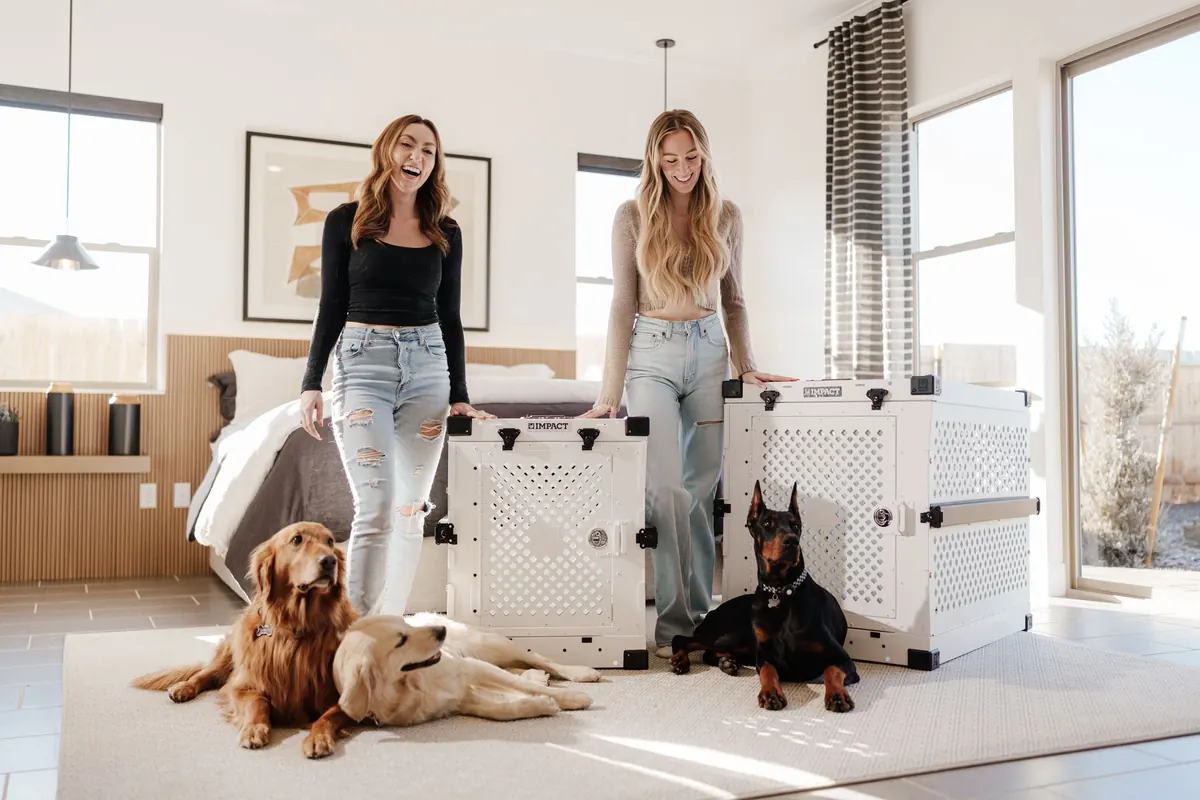
A crate should be big enough for your puppy to stand, turn around, and lie flat — and not much bigger, or half of it becomes a bathroom corner. If you are buying for adult size, choose one with a divider you can move as your puppy grows. Borrowing a crate from a friend or a local breed club is one of the easiest ways to cut costs.
Skip the expensive orthopedic bed for now. A washable pad plus a couple of old towels handles the first month for a puppy who may chew, dribble, or have accidents. Once you know whether yours is a shredder or a sleeper, spend accordingly.
Grooming, Cleaning, and Chew Toys
Grooming and cleaning basics
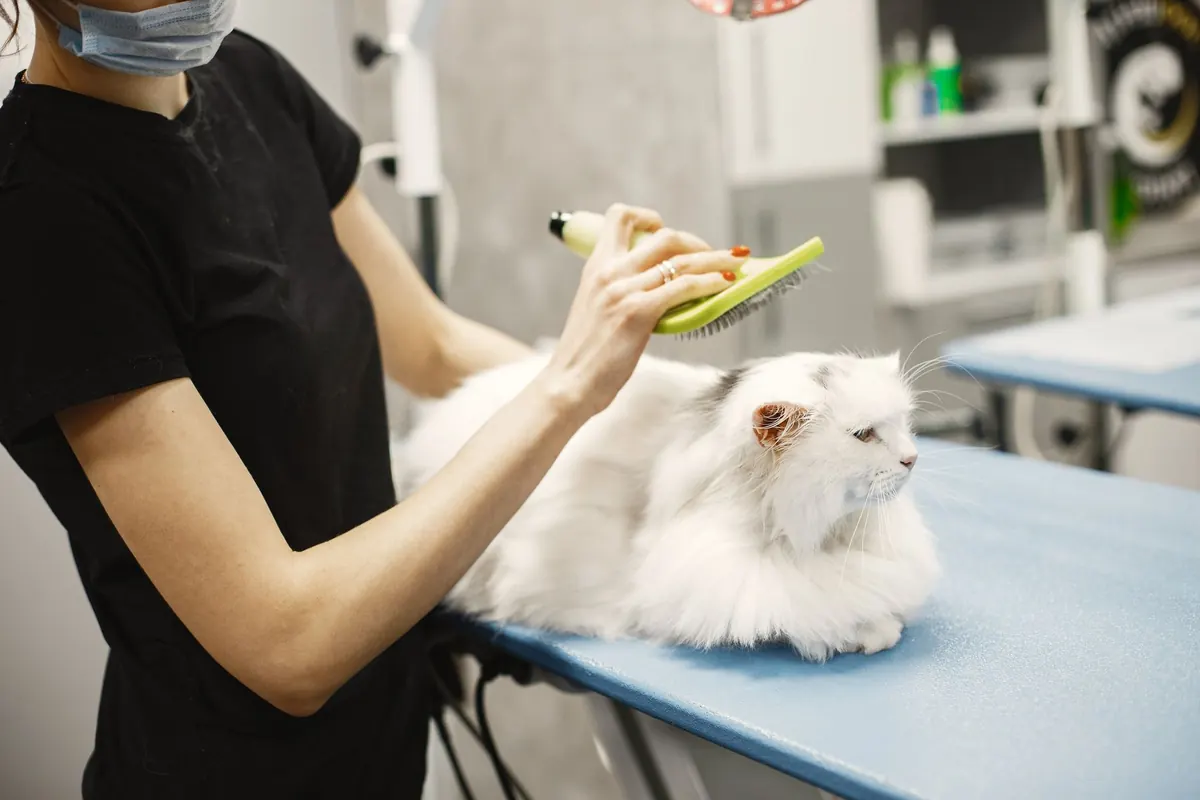
You need less than the pet store suggests. A puppy-safe shampoo, a brush suited to your dog's coat type, nail clippers, and a soft toothbrush with enzymatic pet toothpaste cover the first month.
Do not use human toothpaste; it contains ingredients dogs should not swallow. Human shampoo is also harsher than a dog's skin needs. Getting your puppy used to having paws, ears, and mouth handled matters more right now than a perfect coat, so keep sessions short and finish with a treat.
For accidents, an enzymatic cleaner breaks down the residue that keeps a puppy returning to the same spot. Ordinary household cleaners may hide the smell from your nose while leaving the marker your puppy can still detect.
Toys worth buying
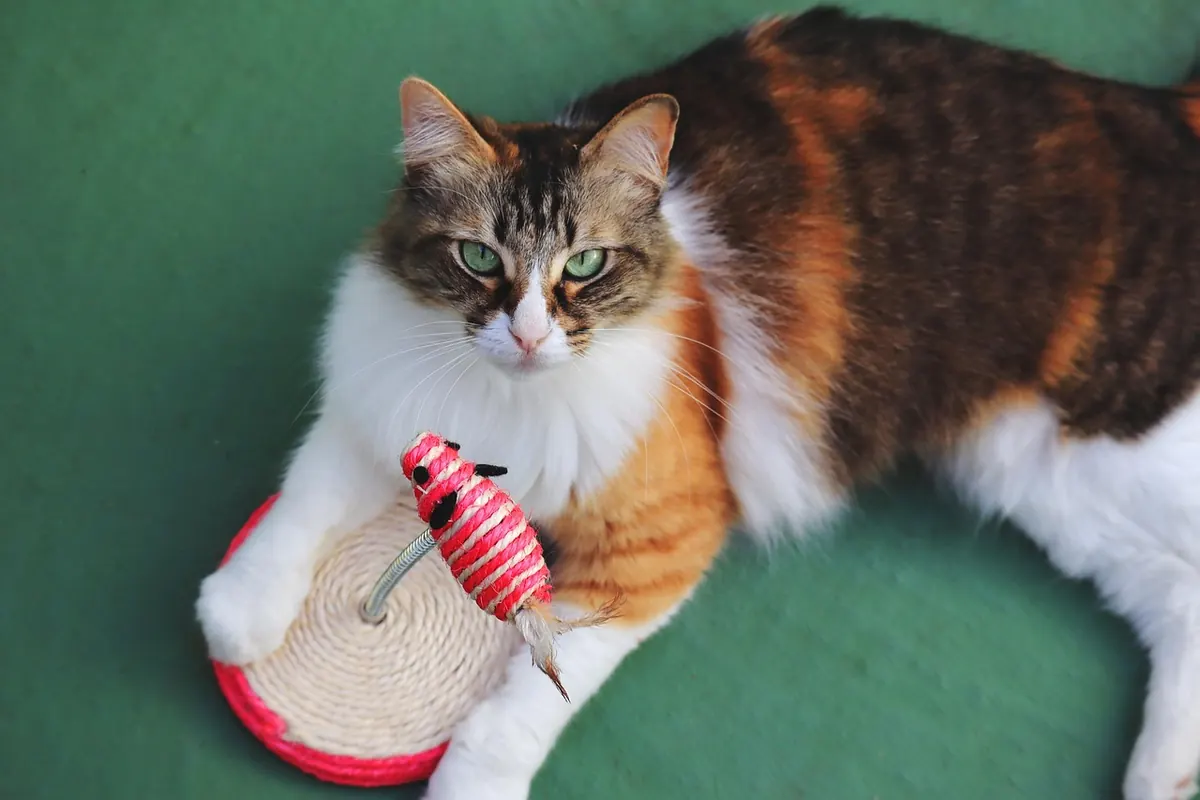
Three or four good toys beat a basket of cheap ones. Pick a rubber chew with some give, a soft toy for comfort, a tug or rope toy for play, and one treat-dispensing puzzle to occupy a busy brain. For teething, a chew chilled in the fridge or a frozen, soaked washcloth offers real relief.
Avoid anything small enough to swallow whole, and retire toys as soon as they start coming apart. Rotating four toys every few days keeps them interesting without adding to the pile.
Buy Now, Wait Until Later
Buying in the right order stops you wasting money on things your puppy will outgrow or ignore.
- Now: crate, food, bowls, collar or harness with tag, leash, enzymatic cleaner, a few toys and chews, basic grooming tools, and a first vet appointment.
- Within the first month: a spare leash, a treat pouch, baby gates for stairs and doorways, and enough of the same food to transition gradually.
- Later: a full-size bed, weather gear such as a coat or cooling mat, puzzle feeders, professional grooming if your breed needs it, a car harness, and training classes once vaccinations allow.
Hold off on anything fitted — harnesses and coats especially — until your puppy stops changing shape. That happens fast. Cheap gear you replace twice costs more than one good item bought a month later.
Where to Save and Where Not To
Save on crates (borrow or buy used, then disinfect), bedding (towels and blankets), and toys (buy a few at a time). Test walking gear with a spare leash from a friend before committing to a brand.
Do not save on the first vet visit and whatever treatment they recommend, a harness that fits properly and will not slip, a leash with a solid clasp, and chew items you trust. A clasp that gives way on a busy street is not the kind of saving anyone wants.
The First Month Doesn't Have to Be Perfect
Keep receipts. A puppy's needs shift quickly, and most pet stores will take back unused items — which is easier than regretting a purchase you never opened. Buy in small batches, add gear as you notice a problem, and let your puppy teach you what they actually need.
Book the vet visit for the first few days home, keep meals and naps on a rough schedule, and expect accidents. Any health question — appetite, digestion, itching, limping — belongs with your vet rather than a forum or a search engine. Get the basics right, and the rest of the gear can arrive over time.
Photo: Impact Dog Crates / Pexels